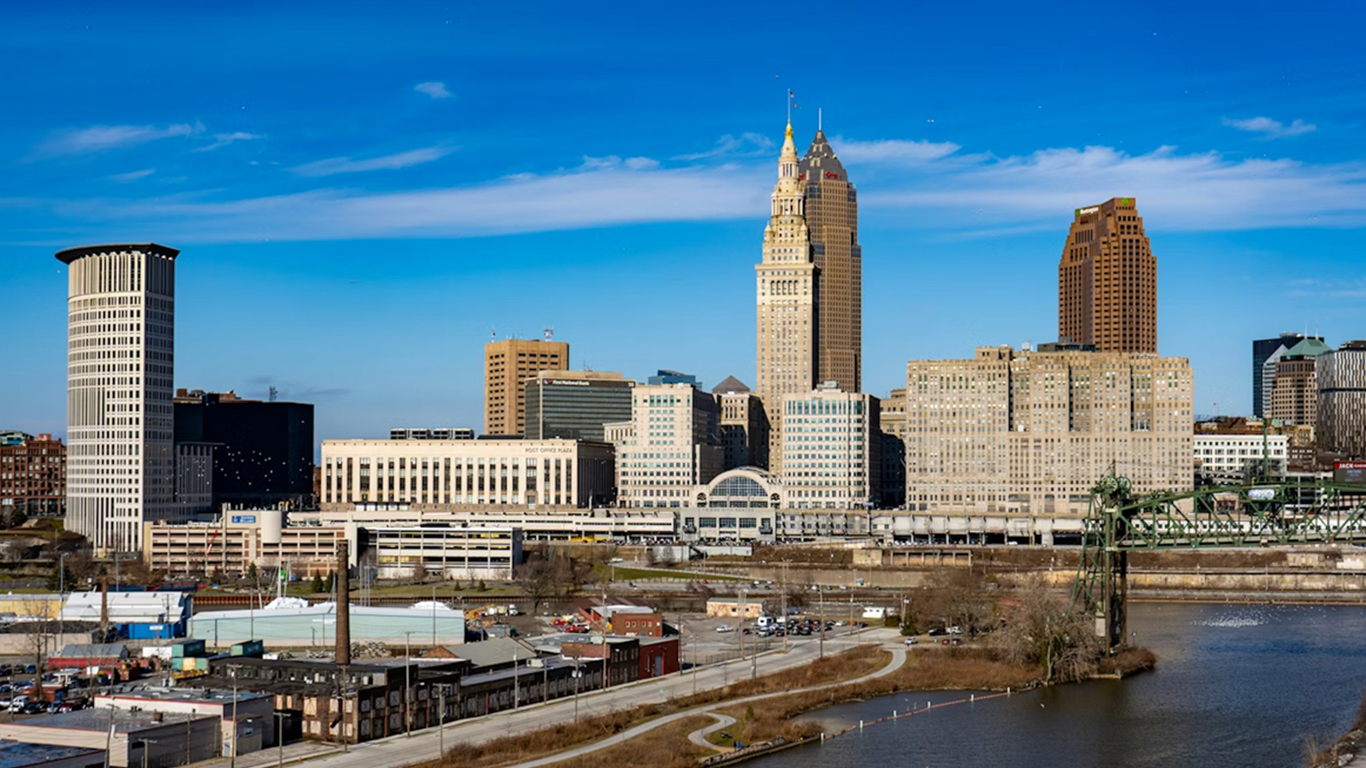
The making of a modern city.
Sugar Pine’s Downtown Office Conversion Initiative tackles the urgent crisis in the U.S. office market by transforming underutilized historic downtown offices into affordable and workforce housing by addressing two market challenges with one innovative solution.


Our initiative is adaptive reuse with lasting social, economic, and community impact that demonstrates how a market-driven approach to office conversion can become a defining model for American urban recovery.
The Office Market Crisis
Remote and hybrid work has reshaped U.S. cities and their downtowns. Today, 35% of the workforce works fully remotely, 53% are hybrid, and up to 75% of office-using companies plan to shrink their physical space. Office vacancies are at historic highs—averaging 20% nationally and over 34% in major downtowns—with older, historic office buildings sometimes at 50% vacancy or more.
A New Purpose for Downtown Buildings
As city centers grapple with empty offices, the nation faces a severe shortage of affordable and workforce housing. The U.S. needs an estimated 3.7 million additional units of apartments with monthly rent set at prices that don’t exceed 60% of average rents in a defined area. Sugar Pine targets this urgent need by converting architecturally significant downtown office buildings into high-quality, affordable living spaces for teachers, municipal workers, young professionals, and families priced out of today’s market.
Our Strategic Approach
Sugar Pine’s business model uses both government tax credit programs and conventional financing to turn these properties into productive, community-serving assets:
- Federal and State Historic Tax Credits: We maximize equity by leveraging both federal (20%) and state (20–25%) credits for eligible properties, lowering conversion costs while preserving local heritage.
- Low-Income Housing Tax Credits: For affordable units, federal credits cover a substantial portion of costs, ensuring robust financial viability.
- Property Tax Relief & Direct Subsidies: Strategic partnerships with nonprofit entities or local governments reduce operational costs, enabling deeper affordability
- Conservative Acquisition and Construction: By acquiring properties below replacement cost and employing rigorous professional due diligence, we protect value at every stage—from asbestos abatement to rezoning and design.
Impact and Selection
We are highly selective: only buildings with the right scale, historic features, and conversion feasibility are chosen. Projects are targeted in communities with true housing need and a path to entitlements, such as Houston and similar mid-size urban markets that have lost legacy employers and now face a housing crunch.
Coming Soon
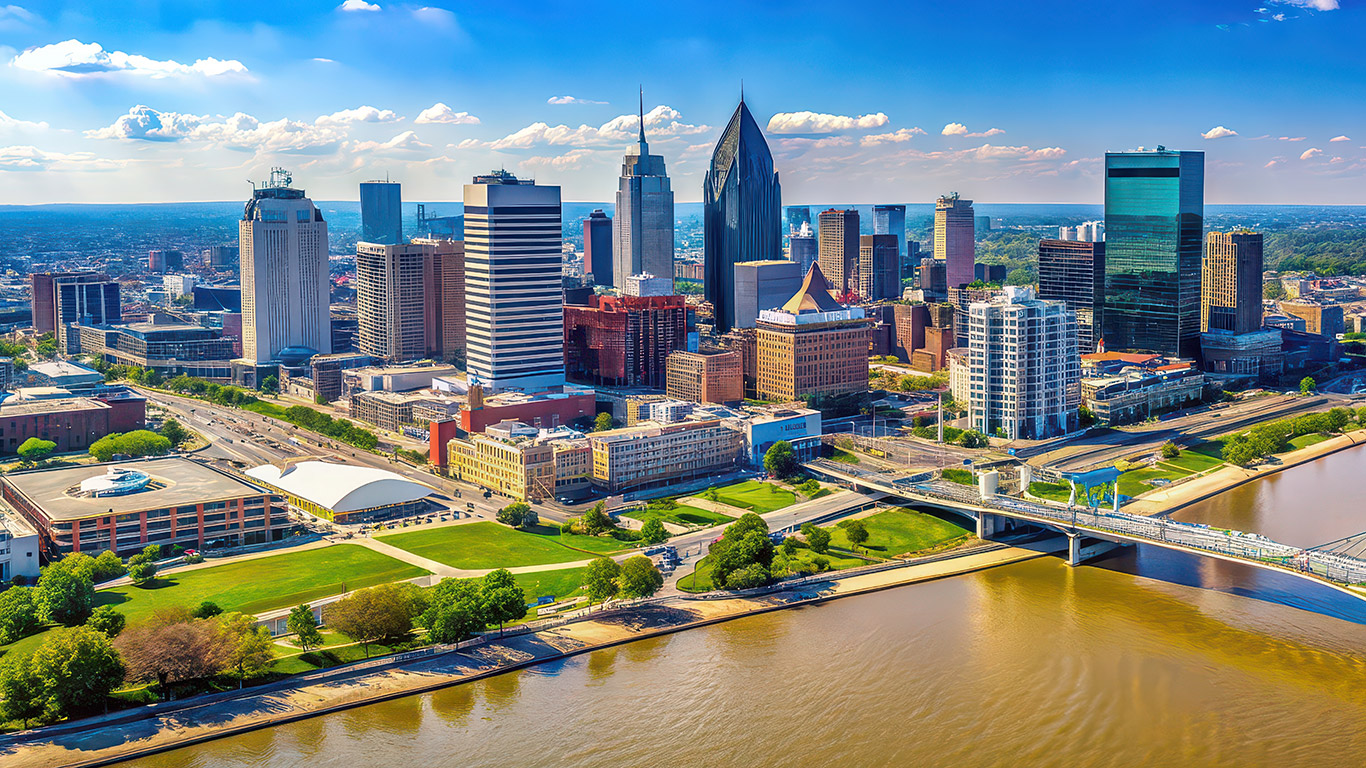
Louisville
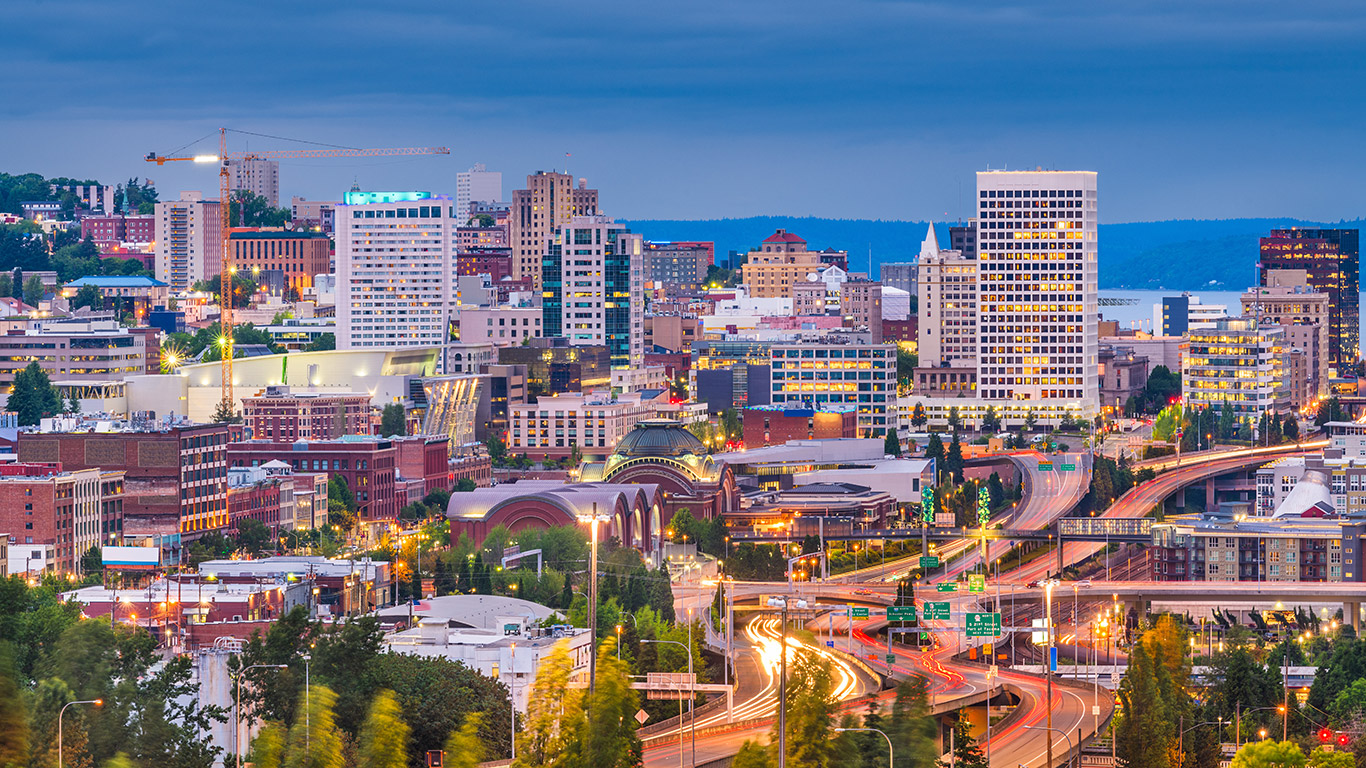
Tacoma
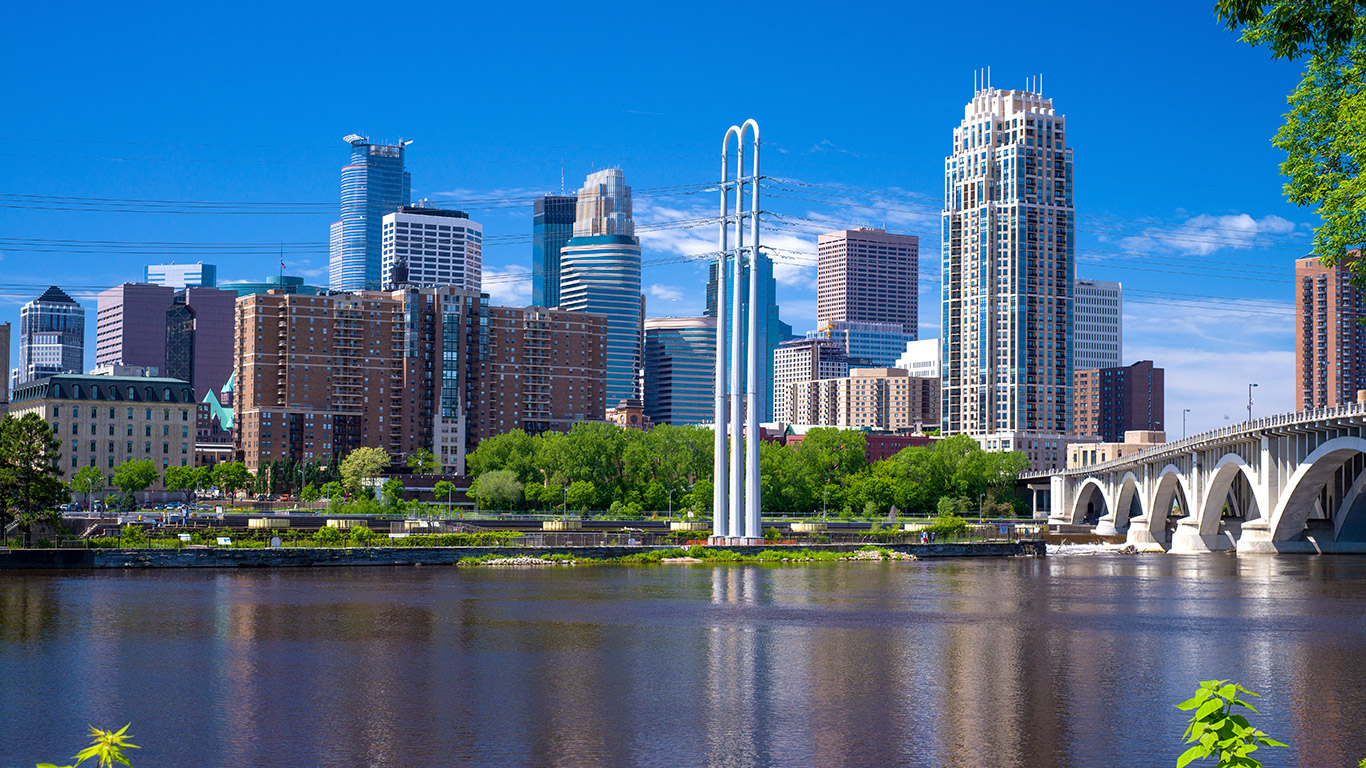
Minneapolis
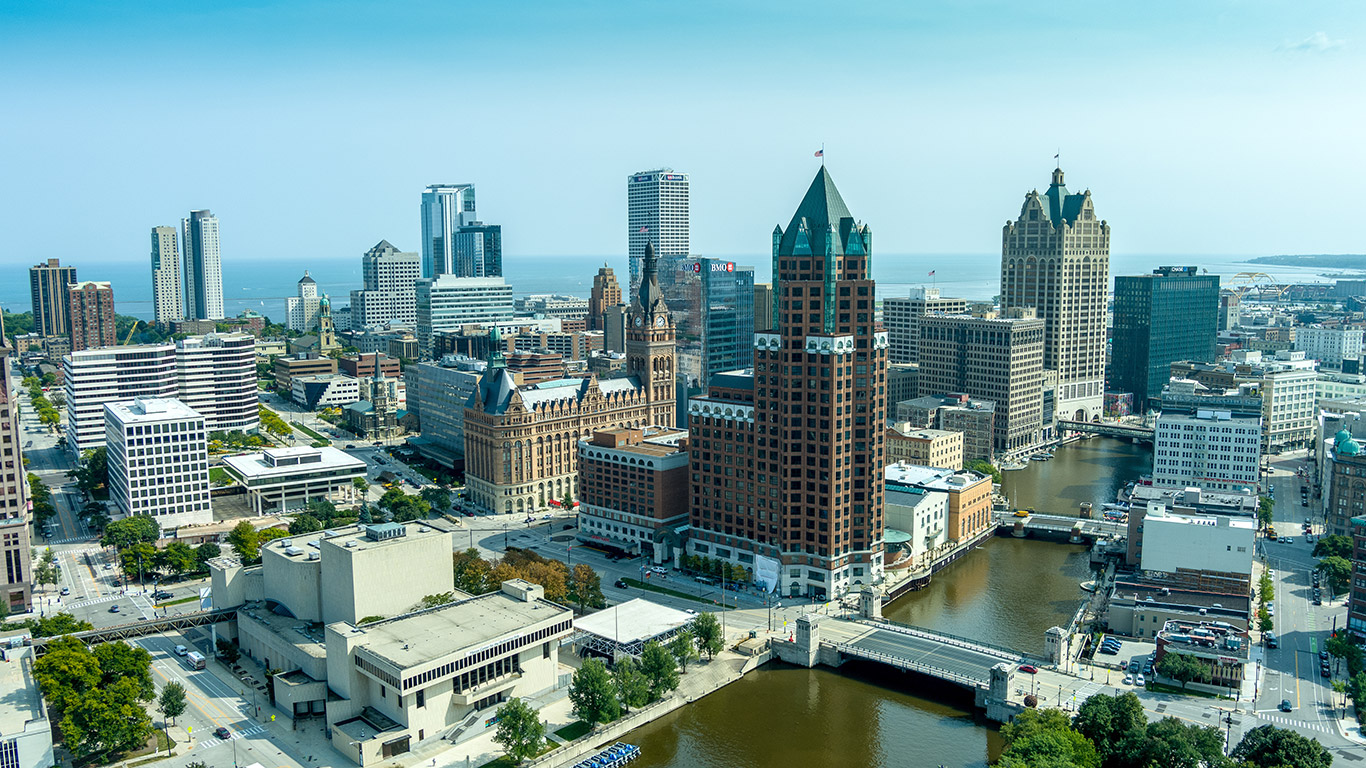
Milwaukee
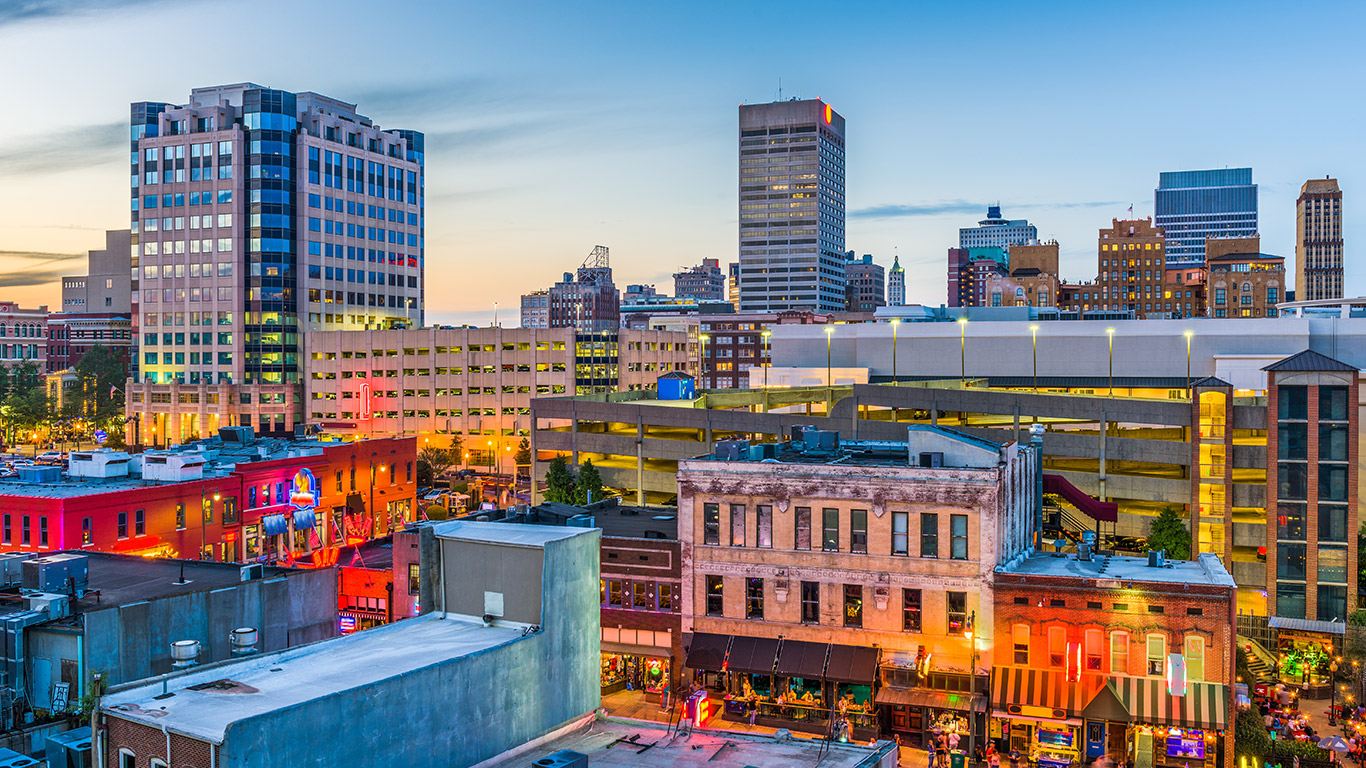
Memphis